
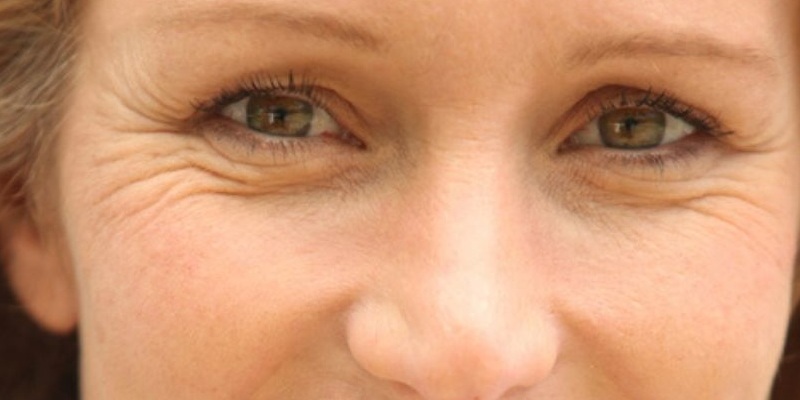
Women going through perimenopause and menopause often notice a range of changes, and skin is usually one of the first places it shows. It might begin with dryness, then a loss of firmness and increased sensitivity. These changes can feel subtle at first, but over time, they become harder to ignore.
In this blog by the Muse Institute of Aesthetic Medicine, we explore common skin problems in perimenopause and menopause. Discover how they present over time and what you can do to manage them.
What is perimenopause?
Perimenopause is the stage leading up to menopause, when hormone levels, particularly oestrogen, begin to shift and gradually decline. As the ovaries produce less oestrogen, the menstrual cycle often becomes less predictable. Perimenopause can begin anywhere from your mid-30s through to your mid-50s. For some, it’s a relatively short phase, while for others it can span several years.
What is menopause?
Menopause marks the point when menstrual cycles have stopped completely, signalling the end of reproductive years. It is typically confirmed after 12 consecutive months without a period and reflects a sustained decline in oestrogen levels. This shift can lead to more noticeable and ongoing changes in the skin, including dryness, fine lines and active breakouts.
Key skin changes in perimenopause vs menopause
Dryness and dehydration
In perimenopause, hydration levels can fluctuate, so your skin may feel oily one week and tight or dehydrated the next. By menopause, reduced oestrogen can impact the skin’s ability to retain moisture, weakening the barrier and making skin more prone to irritation.
Loss of elasticity and collagen
During perimenopause, decreased collagen production can show up as subtle changes in firmness. In menopause, you may notice looser skin and more defined facial lines.
Pigmentation and age spots
Intense oestrogen fluctuations during perimenopause can trigger the sudden and unpredictable onset of melasma across the cheeks or forehead. During menopause, pigmentation tends to settle, becoming less reactive but more persistent and slower to fade.
Changes in texture and thinning skin
In perimenopause, shifts in hormone levels can disrupt the skin’s natural balance, leading to changes in texture that feel inconsistent. This may range from roughness and congestion to increased sensitivity. In menopause, you may notice the skin appearing thinner, more fragile and more prone to bruising.
How to address your skin concerns in menopause and perimenopause
Here are some ways to support your skin through these transitional stages.
Essential skincare habits
- Gentle cleansing — Avoid foam or gel cleansers that strip moisture. Opt for creamy, non-foaming cleansers to keep the skin hydrated.
-
- Intense hydration — Use products containing hyaluronic acid and ceramides to draw moisture into the skin and repair the barrier. Apply moisturisers to damp skin to lock in hydration.
- Daily sun protection (SPF 30+) — Menopausal skin is more vulnerable to UV damage. Use a broad-spectrum sunscreen daily to prevent worsening collagen breakdown and dark spots.
- Targeted actives — Choose products with the following ingredients:
-
- Retinoids (Retinol) — Helps visibly improve skin elasticity and support cell turnover to reduce breakouts and address laxity.
- Vitamin C — Used in the morning to protect against environmental damage and brighten skin.
Professional in-clinic treatments
At-home care is most effective when complemented by in-clinic treatments recommended by your dermal clinician:
- Collagen-stimulating treatments — May help support skin firmness and elasticity.
- Laser therapy — Reduce dark spots and create a firming effect.
- Rejuvenating treatments — Can help visibly restore lost volume and minimise the appearance of fine lines.
- Microneedling and radiofrequency — Stimulate the healing process and boost collagen and elastin synthesis.
- Microdermabrasion — Highly regarded for treating dull skin, mild scars and clogged pores.
- Skin boosters — May visibly improve overall skin hydration and texture.
Manage skin changes at the Muse Institute of Aesthetic Medicine
Skin problems in perimenopause and menopause can feel unfamiliar, but they’re not random. When you understand what’s driving these changes, it becomes easier to move away from quick fixes and towards a thoughtful, long-term approach.
Whether you’re noticing hair thinning, breakouts, hyperpigmentation or sun-related changes, a personalised consultation can help bring clarity. Get in touch with our university-qualified dermal clinicians and determine the most suitable treatment for your cosmetic goals.
